legal · South Africa
Department of Health Defends Hemp Food Prohibition Amid Industry Outcry in South Africa
🌿 Plant Truth Index
Factual Record
Reform partner publication
90+ Stigma Breaker · 70+ Plant Forward · 40+ Factual Record · below 40 Prohibition Echo
Breakdown of what the health department’s representatives said. 25March 2025 Update Cannabis, Hemp Products | Motsoaledi to lift ban: Myrtle Clarke weighs in Key Points Discussed: Conclusions: This part of the webinar highlights a disconnect between policy intent and industry needs, with a call for better consultation and alignment with global hemp trends. The ball […]
Breakdown of what the health department’s representatives said.
25March 2025 Update Cannabis, Hemp Products | Motsoaledi to lift ban: Myrtle Clarke weighs in
Key Points Discussed:
Background and Context:
The THC limit in South Africa remains at 0.2%, despite expectations it would increase to 2%. This has not been updated.
A recent prohibition (referred to as a “blanket ban” by Cheeba) prevents hemp from being classified as a foodstuff unless it complies with strict labelling, hygiene, and safety regulations under the Foodstuffs Act.
Cheeba’s Position:
Cheeba supports regulation, consumer protection, proper labeling, and safety standards but argues the hemp ban is an overreach.
Hemp (non-psychoactive, THC below 0.2%) is distinct from THC-rich edibles and CBD products, yet it’s been lumped into the same regulatory framework.
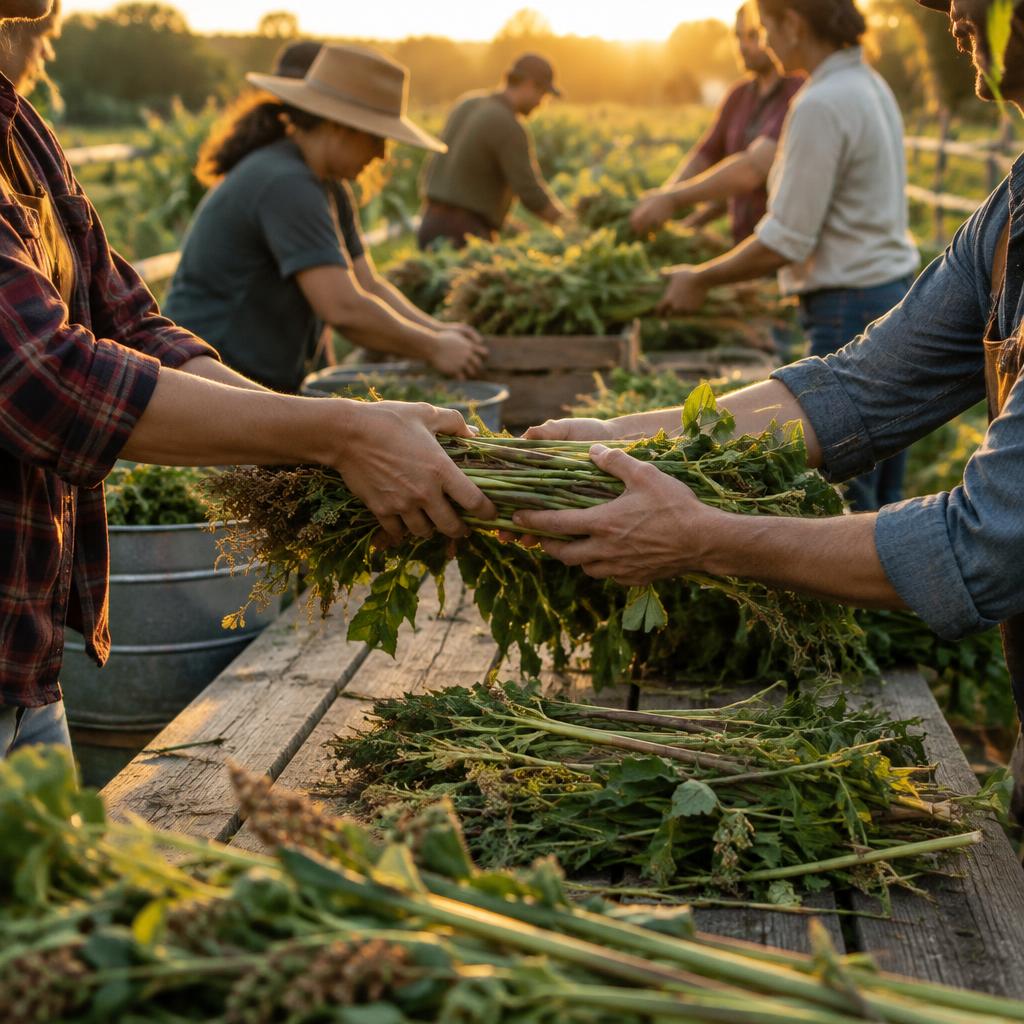
The ban undermines hemp farmers (1,500 in South Africa) and the industry, especially in rural areas, by destroying the market for hemp-based food products (e.g., hemp protein, seeds, oil), which are low-tech and globally recognized as nutritious.
Department of Health’s Position (Dr. Anban Pillay & Penny Campbell):
The prohibition isn’t a total ban but a regulatory measure. Products with THC or CBD (or marketed as such) cannot be called foodstuffs unless they meet Foodstuffs Act requirements.
Hemp can be a foodstuff if it complies with regulations, has no THC/CBD, and avoids misleading cannabis-related labelling.
The goal is consumer safety, child protection, and proper oversight, not to outlaw hemp outright.
They claim a lack of evidence for hemp’s nutritional value in South Africa, despite global trends, and note hemp was historically industrialized for fibre, not food.
Points of Contention:
Blanket Ban vs. Prohibition: Cheeba sees it as a blanket ban that halts hemp food sales; the Department insists it’s a labelling/safety issue, not an outright ban.
Lack of Consultation: Cheeba highlights no industry dialogue preceded the decision, suggesting overreach or ignorance.
Global Trends: Cheeba argues the ban contradicts international acceptance of hemp as a food source (e.g., protein-rich, non-psychoactive), while the Department questions local evidence.
Impact on Farmers: The ban severely limits hemp farmers’ economic opportunities, a point the Department doesn’t directly address.
Process and Next Steps:
The Minister of Health is reviewing concerns raised by Cheeba and others, with a response expected.
Broader cannabis legislation (beyond the Department of Health) is still pending across government departments.
Conclusions:
Regulatory Intent vs. Practical Impact: The Department aims to regulate, not ban, hemp in food, but the current rules effectively stop sales due to non-compliance with labeling and oversight requirements, creating a de facto ban.
Industry Frustration: Cheeba and the hemp industry feel blindsided and misunderstood, seeing the policy as illogical and economically damaging, especially for rural farmers.
Dialogue Opened: The Department’s participation is a step forward from past refusals, signaling potential for future negotiation.
Unresolved Tension: No immediate resolution was reached. The hemp ban stands, but pressure is mounting on the Minister to reconsider, with hopes of retracting or reworking the policy.
Need for Clarity: Both sides agree on the need for regulation, but the Department’s framework doesn’t yet accommodate hemp’s unique status as a non-psychoactive food, leaving the industry in limbo until further action is taken.
This part of the webinar highlights a disconnect between policy intent and industry needs, with a call for better consultation and alignment with global hemp trends. The ball is now with the Minister of Health to respond.